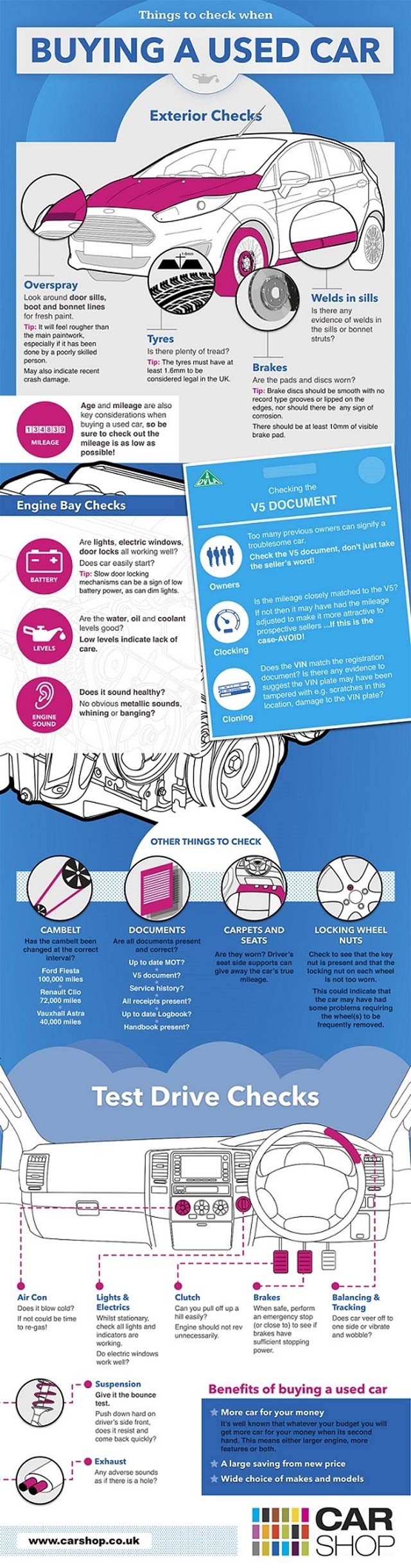
When you're thinking about a vintage automobile, having a strong list can make all the difference. You'll want to begin with the engine-- looking for leaks and listening for odd sounds is critical. Next, the body problem informs a whole lot regarding the car's history. And do not neglect the documentation; it's crucial for validating credibility. Recognizing these elements can save you from pricey blunders, but there's even more to reveal before you make your final decision.
Important Engine Checks Prior To Buying
Before you buy, it's critical to examine the engine, as this can conserve you from pricey repair work down the line.
Start by inspecting for leakages; any fluid merging under the auto is a red flag. Next, examine the oil and coolant degrees-- they must be tidy and within the advised range.
Listen for any type of uncommon sounds when starting the engine; knocking or grinding sounds can suggest major issues. Look at the belts and hoses for signs of wear or splitting.
Lastly, take the auto for a test drive; take notice of exactly how it accelerates and whether it moves smoothly.
These checks will certainly help ensure you're purchasing a vintage car that won't leave you with costly surprises in the future.
Assessing the Body Problem and Historical Significance
When analyzing a classic car, evaluating the body condition is equally as important as the engine's health and wellness, because a well-preserved exterior frequently mirrors the lorry's overall treatment.
Start by looking for corrosion or corrosion, particularly in concealed locations like wheel wells and undercarriages. Look for additional Info of indicators of bodywork, such as dissimilar paint or uneven voids in between panels, which could indicate previous crashes.
Take note of the high quality of the chrome and trim; these details can significantly influence the vehicle's worth. Additionally, take into consideration the historic relevance of the model. Unique functions, minimal production numbers, or a well-documented background can raise an auto's desirability.
Inevitably, complete inspection will certainly help ensure you're making a smart financial investment in your vintage car journey.
Understanding Paperwork and Documents for Classic Cars
Understanding the documentation and paperwork for classic automobiles is critical, as it not just verifies the automobile's credibility however additionally safeguards your financial investment.
Beginning by inspecting the title, ensuring it's clear and matches the VIN. Search for service records, which can expose upkeep history and potential problems.
Don't ignore the owner's guidebook; it frequently includes vital info concerning the cars and truck's original specs. If the auto has undergone reconstructions, request for documentation to validate the quality of the work done.
Lastly, consider any historic paperwork, like past registrations or honors, as these can improve the automobile's worth.
Having all this paperwork organized will provide you confidence in your purchase and aid you avoid future headaches.
Conclusion
When it comes to purchasing a classic car, do not hurry the procedure. By thoroughly evaluating the engine, body, and documentation, you'll make an extra informed choice. Bear in mind, each vintage car has its own tale, and recognizing its background can boost your possession experience. So, take your time, depend on your impulses, and enjoy the quest for that best vintage car. You'll be glad you did when you're cruising stylishly!